Tile Court Surfaces in Fort Worth

Modular court tile systems for Fort Worth homeowners, schools, and community spaces that want fast installation and dependable performance

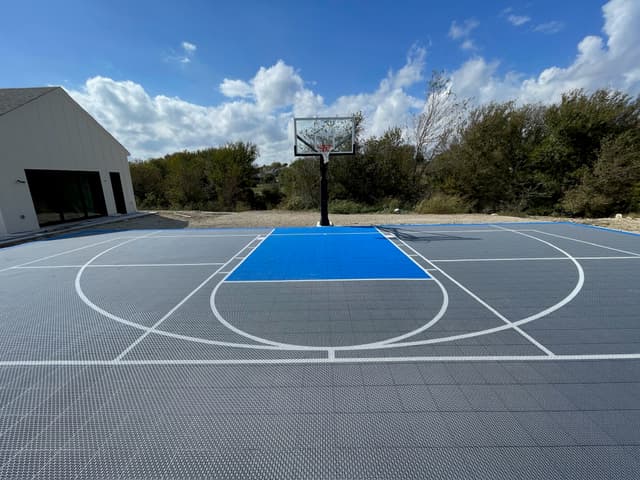
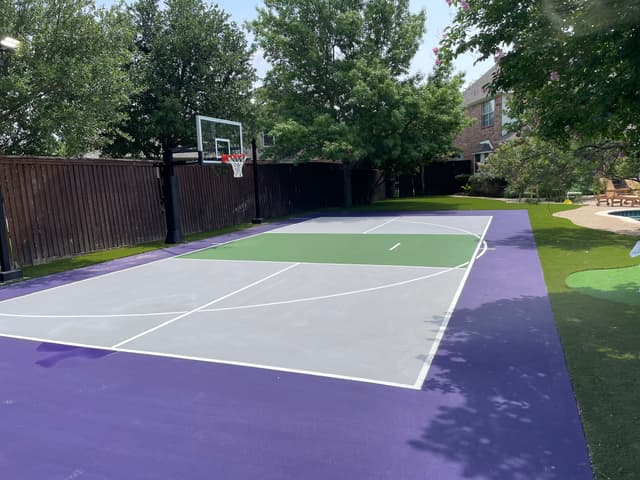
Tile court surfaces offer a practical blend of flexibility, drainage, and visual appeal. In Fort Worth, where weather can shift fast and outdoor spaces often need to do more than one job, modular court tiles can be an excellent fit for basketball, pickleball, and other recreational layouts. They install quickly, perform well after rain, and can be adapted more easily than many traditional finishes.

Home Turf Fort Worth recommends tile systems when the property needs a court that is comfortable, repairable, and ready for regular use without the long cure times associated with some coated surfaces. The format works especially well in North Texas because it manages water efficiently and can stay attractive under sun and heavy play if it is chosen and installed correctly.

Whether the court is part of a backyard in Benbrook, an amenity zone near the west Fort Worth suburbs, or a school or club project in Tarrant County, the goal is the same: create a clean, durable surface that feels responsive and looks intentional. Tile systems make that possible when the foundation and layout are handled with care.

Benefits of Tile Court Surfaces

1

Fast Drainage

Tile systems shed water quickly, which helps the court recover after Fort Worth storms and reduces the chance of standing water.

2

Repairable By Section

If a tile is damaged later, the court can often be repaired modularly instead of requiring a large-scale resurfacing project.

3

Comfortable Underfoot

Many tile systems offer a little more forgiveness than a hard slab, which can make the court easier on players during longer sessions.

4

Good For Multi-Use Areas

Tiles are useful when the space needs to support basketball, pickleball, recreation, or future layout changes without a permanent coating system.

5

Quick Project Turnaround

Because tile installations can often move quickly once the base is ready, they are a strong option when the timeline matters.

6

Clean, Modern Look

Tile courts bring a crisp, high-end appearance that works well in residential and community settings across Fort Worth.

Our Tile Court Surfaces Process

1

Base Review And Grading

We begin with the site conditions so the finished tile court sits on a level, well-drained base that supports long-term performance.

2

Tile System Selection

Different tile products offer different levels of traction, comfort, and visual style, so we help match the system to the client’s goals.

3

Perimeter And Edge Setup

Edges, transitions, and boundaries are prepared carefully so the tile surface feels integrated rather than temporary.

4

Installation And Striping

The tile court is assembled and striped precisely so the game markings stay readable and the surface remains consistent.

5

Performance Check

We verify traction, drainage, and overall feel before closing out the project so the court is ready for play.

Applications

Backyard Courts

A modular tile court gives Fort Worth homeowners a flexible recreation feature that can be used immediately after installation.

School Recreation Areas

Schools can use tile courts for PE, recess, and organized sports that need a durable and relatively forgiving surface.

Community Amenity Courts

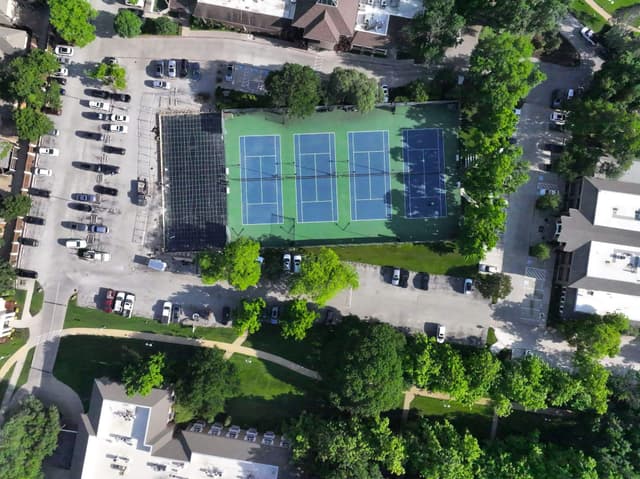
Neighborhood associations and clubs benefit from the drainage and repairability of tile systems.

Hospitality And Event Venues

Tile courts work well where the surface needs to look polished and stand up to frequent guest use.

Multi-Sport Projects

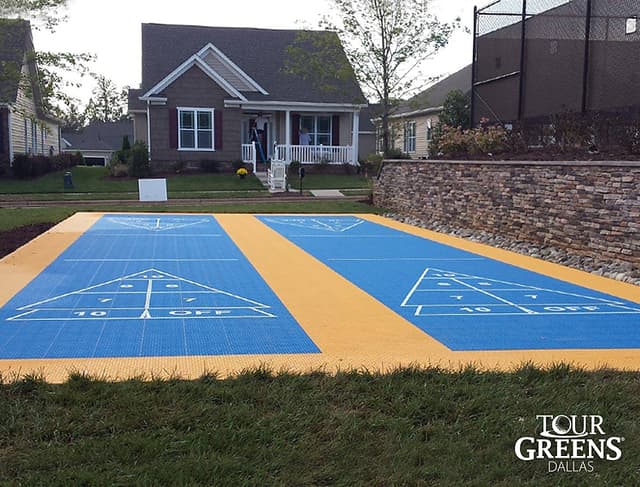
Tile systems are often a strong fit when the layout needs to support more than one game over time.

Why Tile Works Well In The Fort Worth Climate

Modular tile surfaces are popular in North Texas because they deal with rain differently than many traditional court finishes. Instead of holding water on top, the structure lets moisture move through and away more quickly, which is a major advantage when Fort Worth weather turns from dry to stormy in a short window.

That drainage advantage is especially useful for courts that are expected to see frequent use. A backyard court near the Cultural District or a community space in the suburbs does not benefit much from a surface that stays damp for too long. Tile systems help reduce downtime while still delivering a clean, modern court appearance.

  • Quick post-rain recovery
  • Reduced downtime
  • Good visual consistency
  • Useful for active properties

Comparing Tile To Other Court Surfaces

Tile is not the answer for every project, but it is a strong option when the client wants speed, drainage, and modular flexibility. Compared with a coated hard court, tile can feel a little different underfoot and may offer easier repairs later. Compared with some cushioned systems, it may prioritize resilience and drainage over softness. Those tradeoffs are worth discussing before construction starts.

We help Fort Worth clients evaluate the surface in context. If the court needs to be family-friendly, low-maintenance, and ready to adapt over time, tile often becomes the favorite. If the project demands a very traditional court feel, another system may be more appropriate. The right answer depends on the site and the intended use.

  • Repairable modular sections
  • Fast installation
  • Strong drainage behavior
  • Good adaptation potential

Keeping A Tile Court Looking Good Over Time

Tile courts are relatively easy to maintain, but they still benefit from routine care. Debris removal, occasional washing, and checks for edge integrity help the court remain attractive and functional. In Fort Worth, where dust, wind, and weather shifts are part of normal life, those simple habits can make a real difference in long-term appearance.

We also pay attention to the base because tile performance depends heavily on what is underneath it. If the foundation is poor, the tiles cannot fully compensate for movement or low spots. That is why the installation process is as important as the material itself, especially on properties with challenging soils or irregular grades.

  • Simple cleaning routine
  • Base quality matters most
  • Long service life
  • Easy module replacement

Choosing Tile Courts For Heat, Drainage, And Daily Use

Modular tile courts are especially attractive in Fort Worth when the owner wants a fast-draining surface that can get back into use quickly after storms without the feel of an improvised play pad. The tile system sits at the intersection of comfort, traction, and convenience, which makes it useful for households with multiple players, HOA amenity spaces, and facilities that need broad usability rather than a narrowly specialized court. We help clients think through color layout, ball response, and expected traffic so the finished system feels tuned to how the court will actually be used, not just to a catalog specification.

There are also operational questions that matter after installation. Some properties need a tile system that is easy to hose off after windy days, some want a quieter underfoot feel for neighborhood compatibility, and others prioritize surface comfort because adults and kids will both be playing on the same court. We walk through those ownership considerations during planning so the tile selection supports real Fort Worth use patterns. That extra planning helps the court stay appealing and practical long after the initial excitement of installation day.

  • Fast dry-down after rain
  • Comfortable for mixed-age play
  • Easy cleanup in dusty seasons
  • Better fit for shared-use courts

Why Choose Home Turf Fort Worth

Experienced With Modular Systems

We know how tile courts behave, what they need beneath them, and how to install them so they perform well in real use.

Drainage-Forward Approach

Fort Worth weather makes drainage a serious issue, and tile gives us a strong platform to manage it effectively.

Flexible Design Help

We help clients decide when tile is the right choice and when another surface might better fit the project goals.

Clean Finish Details

Edges, transitions, and striping are handled carefully so the court looks polished instead of pieced together.

Built For Ongoing Use

The court is designed to stay functional and easy to maintain even when it becomes a regular part of the property’s routine.

Frequently Asked Questions

What is a tile court surface?
It is a modular court system made of interlocking or snap-together tiles that create a playable surface over a prepared base. The format is popular because it drains well and can be installed relatively quickly.
Are tile courts good for Fort Worth weather?
Yes. Their drainage behavior makes them a strong fit for a climate that can swing between heat, dust, and sudden storms. The base still has to be built properly, but the tile format handles moisture well.
Can damaged tiles be replaced individually?
Often yes. One of the biggest advantages of tile systems is modular repair. In many cases a damaged section can be replaced without disturbing the whole court.
Do tile courts feel different from hard courts?
They can. Some players notice a slightly different feel underfoot compared with a coated slab. That is why we discuss traction, comfort, and sport preference before recommending the best surface.
Can a tile court be used for more than one sport?
Absolutely. Tile courts are often a smart option for multi-use layouts because they support different markings and can adapt more easily if the property’s needs change later.
How much maintenance do tile courts need?
Not much beyond regular cleaning and periodic checks of the edge and base conditions. They are generally easier to maintain than many traditional surfaces, especially when drainage is a priority.

Get a Free Tile Court Surfaces Quote

Contact Home Turf Fort Worth today for a free on-site consultation and estimate. Serving Fort Worth, Tarrant County, and surrounding communities.

Tile Court Surfaces Service Areas

We provide tile court surfaces services throughout the Greater Fort Worth metro.

View all 35+ service areas →