Synthetic Turf Tee Lines in Fort Worth

Year-round tee line turf systems for golf ranges, schools, clubs, and training facilities across Fort Worth and North Texas

Synthetic turf tee lines are a smart answer for Fort Worth golf facilities that need consistent hitting conditions day after day. Natural grass tee areas wear out quickly under repeated use, especially in the heat and dry spells that define much of North Texas. A synthetic tee line stays cleaner, drains better, and provides a more reliable surface for practice sessions across the seasons.

Home Turf Fort Worth installs tee line turf for driving ranges, private clubs, schools, and training facilities that want dependable performance without constant turf recovery work. The goal is to create a surface that feels stable under the golfer, handles the volume of balls and foot traffic, and looks professional from the first bay to the last. In a city that values quality outdoor amenities, that consistency matters.

We also understand that a tee line is more than a strip of synthetic grass. It is an active work surface that has to support repeated stance changes, club contact, cart traffic, and maintenance routines. In Fort Worth and the surrounding Tarrant County market, the right installation can significantly improve the player experience while reducing the ongoing headaches that come with natural tee areas.

Planning Synthetic Turf Tee Lines Projects in Fort Worth

Commercial and private synthetic turf tee lines in Fort Worth for ranges, schools, and training facilities seeking consistent year-round hitting surfaces. In Fort Worth, that means planning around expansive soils, harsh summer heat, runoff management, and the way the finished surface connects to patios, pet zones, pools, and entertainment space. Search behavior around terms like synthetic turf tee lines Fort Worth, golf range tee line turf Fort Worth TX, driving range turf installer Tarrant County usually signals that property owners want a service matched to performance expectations, not just a product list.

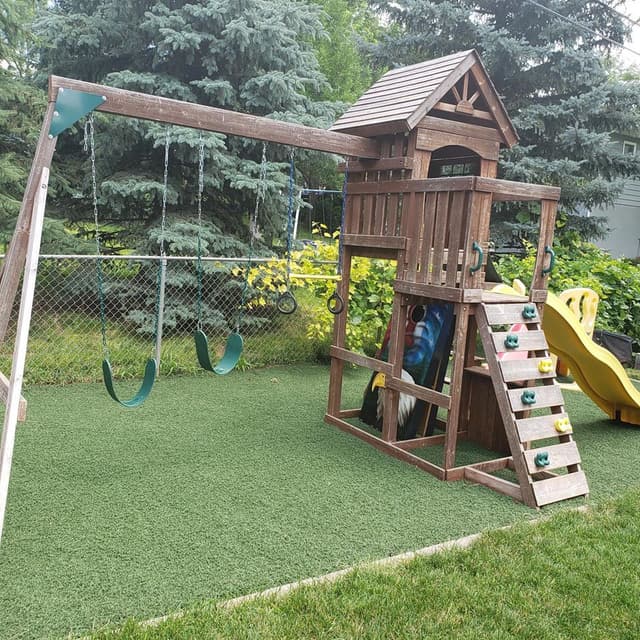
We often pair synthetic turf tee lines with related upgrades like artificial turf installation, pet turf, playground turf so the overall project works as one system instead of a collection of disconnected fixes. That is especially useful in markets like Fort Worth, Texas, Weatherford, Texas, Arlington, Texas, Southlake, Texas, and Colleyville, Texas, where property sizes and outdoor-use patterns vary from established city lots to larger suburban and westward growth corridors.

Choose The Right Build Strategy

Synthetic Turf Tee Lines performs best when the turf product, base layers, and edging details are matched to the way the property will actually be used.

Account For Fort Worth Conditions

Clay soils, heat, runoff, and frequent family traffic make drainage, compaction, and seam placement just as important as the visible turf itself.

Plan The Whole Outdoor Layout

We coordinate transitions into patios, pools, planting beds, and recreation zones so the finished installation feels intentional across the full property.

Benefits of Synthetic Turf Tee Lines

1

Consistent Hitting Conditions

Golfers get a steady lie and stance area, which helps them practice more effectively and trust the surface beneath them.

2

Handles Heavy Use

Synthetic tee lines are built to survive repeated foot traffic and club contact without quickly wearing into bare patches.

3

Year-Round Reliability

Unlike grass, the tee line stays usable through heat, drought, and the seasonal pressure that affects Fort Worth turf.

4

Cleaner Facility Appearance

A uniform synthetic tee area makes the range or practice facility look more polished and easier to maintain.

5

Reduced Recovery Time

Because the surface does not need to regrow, the tee line can stay available for more players throughout the week.

6

Better Training Value

Golfers and coaches can rely on the same feel session after session, which improves repetition and practice quality.

Our Synthetic Turf Tee Lines Process

1

Range And Traffic Review

We assess how many golfers will use the line, what type of foot traffic it receives, and how the area currently drains and wears.

2

Sub-Base Preparation

The tee line area is graded and stabilized so the synthetic turf sits on a dependable platform that resists dips and water issues.

3

Turf Selection And Layout

We choose the turf product and pile characteristics that best fit the facility’s use patterns and appearance goals.

4

Installation And Securing

The turf is installed, joined, and secured so it can stand up to repeated traffic and regular maintenance.

5

Finishing And Inspection

We complete the surface with proper grooming and check the tee line for uniformity, stability, and presentation.

Applications

Driving Ranges

Ideal for Fort Worth ranges that need a dependable surface across heavy daily use.

School Golf Programs

Schools and academies can create a reliable training surface for practice and instruction.

Private Clubs

Clubs benefit from a tee line that looks professional and supports steady member traffic.

Training Facilities

Dedicated practice centers gain a surface that supports repetition and consistent stance conditions.

Simulator Adjacent Areas

Synthetic tee turf works well in spaces that support both indoor and outdoor golf practice systems.

Why Tee Line Turf Matters For Fort Worth Golf Facilities

A natural tee line can look fine for a short time, but repeated use from dozens or hundreds of golfers quickly changes the surface. Divots, muddy spots, and uneven stance areas develop fast, and that inconsistency affects both the player experience and the look of the facility. Synthetic turf tee lines solve that problem by providing a controlled, repeatable hitting area.

In Fort Worth, where summer heat and limited rainfall can stress natural turf especially hard, the benefit is even bigger. The surface stays more uniform through long stretches of use and can be cleaned and maintained more predictably. For facilities that care about presenting a professional image to players and guests, that consistency is a major advantage.

  • Cleaner presentation
  • Less turf recovery
  • More reliable practice
  • Better use of space

Building Tee Lines To Withstand Heavy Traffic

The success of a synthetic tee line depends on more than the turf itself. The base has to be stable, the seams have to be handled correctly, and the surface needs to be secured in a way that supports repeated use. We plan the installation so golfers can step, swing, and shift without the area breaking down too quickly.

We also pay attention to drainage because a range that stays wet after rain loses value quickly. Tee line areas with good drainage can return to service faster and stay cleaner over time. That is particularly important in North Texas, where weather can be dry for long stretches and then turn stormy with little warning.

  • Stable under repeated use
  • Better drainage behavior
  • Reduced maintenance strain
  • Longer service life

Fort Worth Golf Culture And Practice Expectations

Fort Worth has a strong golf culture, from private clubs and municipal facilities to training spaces and school programs. That means the practice surfaces need to reflect a certain standard. Golfers notice whether the tee line feels level, whether the fibers recover properly, and whether the area looks cared for. Synthetic turf helps facilities meet those expectations more reliably.

It also helps with scheduling. A tee line that can handle frequent use without a major downtime cycle allows more golfers to practice when they want. For busy facilities in Tarrant County, that can improve satisfaction and make the operation feel smoother overall.

  • Matches local golf expectations
  • Supports busy facilities
  • Improves player confidence
  • Keeps the range looking sharp

Operational Planning For Tee Line Ownership

Synthetic tee lines deliver the biggest value when the installation is planned around how players rotate through the space over time. In Fort Worth, that can mean a private school needing a durable practice area for team instruction, a club trying to preserve natural turf while extending range hours, or a private owner building a polished hitting zone that does not fall apart after repeated use. We help define stance spacing, insert strategy, wear concentration, and drainage flow so the turf does more than look good on day one. It has to stay consistent under repetitive ball striking through North Texas seasons.

This planning also affects maintenance and replacement cycles. A tee line that is designed for easy cleaning, targeted panel swaps, and efficient water movement is far easier to manage than one that only prioritizes initial appearance. That is why we talk through operating habits with Fort Worth clients before finalizing the scope. If the installation is going to serve juniors, high-volume range users, or golf instruction, the layout and material choices should reflect that reality. The result is a more resilient practice surface and a better long-term return on the investment.

  • Supports high-repetition ball striking
  • Improves layout for group practice
  • Simplifies maintenance planning
  • Built for long-term range use

Why Choose Home Turf Fort Worth

Golf-Specific Installation Knowledge

We understand the demands of tee line surfaces and build them for repeatable, real-world use.

Fort Worth Climate Planning

The materials and base work are selected to handle the heat, drainage, and seasonal stress common in North Texas.

Professional Finish Quality

Golf facilities need to look polished, and we pay close attention to the details that affect presentation.

Traffic-Ready Construction

We build with heavy use in mind so the surface holds up when golfers use it all day, every day.

Responsive Project Delivery

We keep the process organized so facilities can get back to serving players quickly and efficiently.

Frequently Asked Questions

What is a synthetic turf tee line?
It is a synthetic grass hitting area built for golf ranges and practice facilities so golfers have a consistent stance and contact surface instead of using worn natural grass.
Why use synthetic turf instead of grass on a tee line?
Synthetic turf handles repeated use much better, keeps the area more uniform, and reduces the recovery cycle that natural grass requires. That makes it a strong choice for busy Fort Worth facilities.
Can synthetic tee lines handle heavy daily traffic?
Yes, when they are built with the right base, turf, and securing methods. That is why the installation details matter so much on high-use golf facilities.
Are synthetic tee lines good in Fort Worth weather?
They are. The surface is designed to handle heat, rain, and dry spells better than grass, especially when drainage and base preparation are done correctly.
Can you install tee lines at schools or training centers?
Absolutely. Schools, academies, and training facilities are common use cases because they need a consistent practice surface that stays ready for repeated instruction.
How much maintenance does a synthetic tee line need?
Much less than natural grass, though it still benefits from cleaning, grooming, and periodic inspection. The reduced recovery and mowing burden are part of the reason facilities choose it.

Get a Free Synthetic Turf Tee Lines Quote

Contact Home Turf Fort Worth today for a free on-site consultation and estimate. Serving Fort Worth, Tarrant County, and surrounding communities.

Synthetic Turf Tee Lines Service Areas

We provide synthetic turf tee lines services throughout the Greater Fort Worth metro.

View all 35+ service areas →